Whole-life carbon assessment: is a voluntary approach enough?
Independent research from CCBP into how whole-life carbon assessment (WLCA) is used across UK public sector construction and infrastructure schemes, and whether a more consistent approach is needed. Share your experience and help shape the evidence.
Whole-life carbon assessment research from the Centre for Construction Best Practice
Whole-life carbon assessment gives clients and project teams visibility of the carbon impact of their decisions, yet it is not used consistently across the UK.
CCBP’s research asks whether the current, largely voluntary approach is enough, or whether something more consistent, potentially mandatory, is needed.
Take the surveyLocal authorities, contractors and consultants who have shared their experience so far.








What is whole-life carbon assessment?
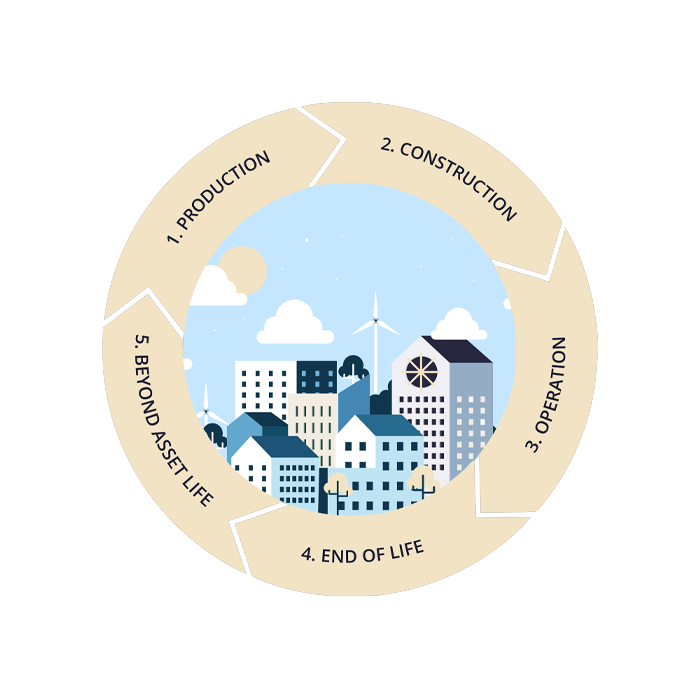
Whole-life carbon is the total carbon emitted by a built asset over its entire lifecycle, from producing and transporting materials, through construction and operation, to demolition, disposal and potential reuse, recovery and recycling.
A whole-life carbon assessment measures these emissions, so decisions can be compared and lower-carbon options chosen while they can still make a difference.
Why whole-life carbon assessment matters now
The UK is committed to net zero by 2050, and the effects of climate change are already being felt. Carbon tariffs, PPN 006 and new energy efficiency standards are pushing carbon up the agenda for how projects are designed, procured and delivered.
In March 2026, NISTA published Whole Life Carbon Management guidance for infrastructure and the built environment, and UKGBC has also called for greater national consistency. Currently, there is no single national requirement for whole-life carbon assessment in the UK with inconsistency in adoption from across the public sector. Some local authorities and regions have their own requirements, while others take a different approach.
This research tests whether greater consistency in policy and practice would help whole-life carbon assessment shape the decisions that cut emissions, and what it would take to make that work.
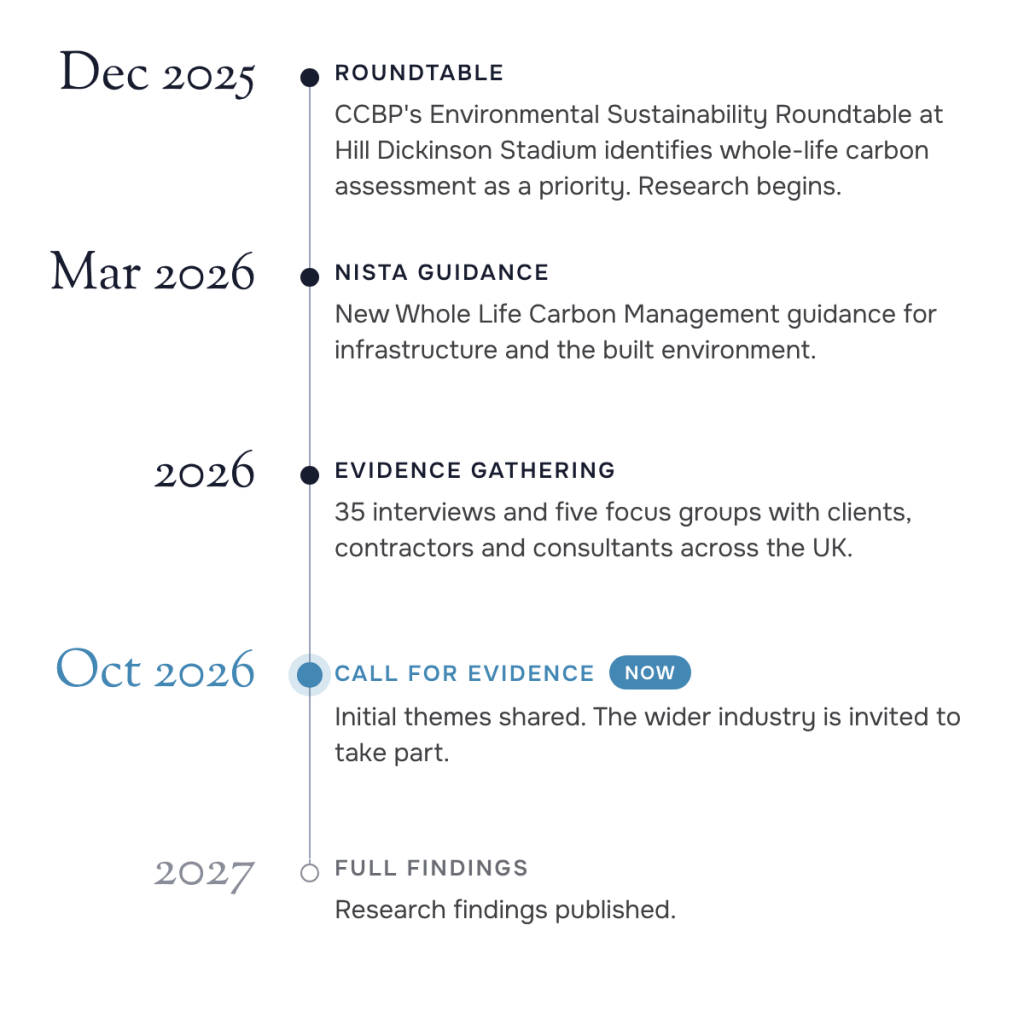

Share your experience
Help build the evidence base on whole-life carbon assessment. Full findings will be published in 2027.
Take the surveyThree questions this research is aiming to answer
We're building an evidence base on the practicality, benefits, risks and policy implications of a more consistent, or potentially mandated, approach to whole-life carbon assessment.



How we’re researching whole-life carbon assessment
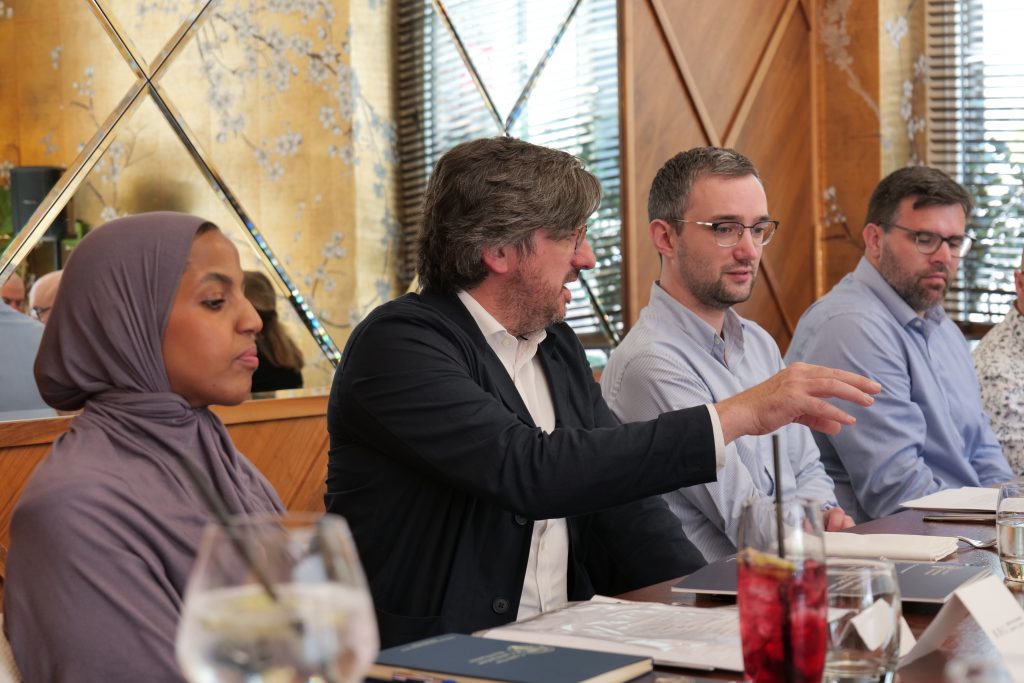
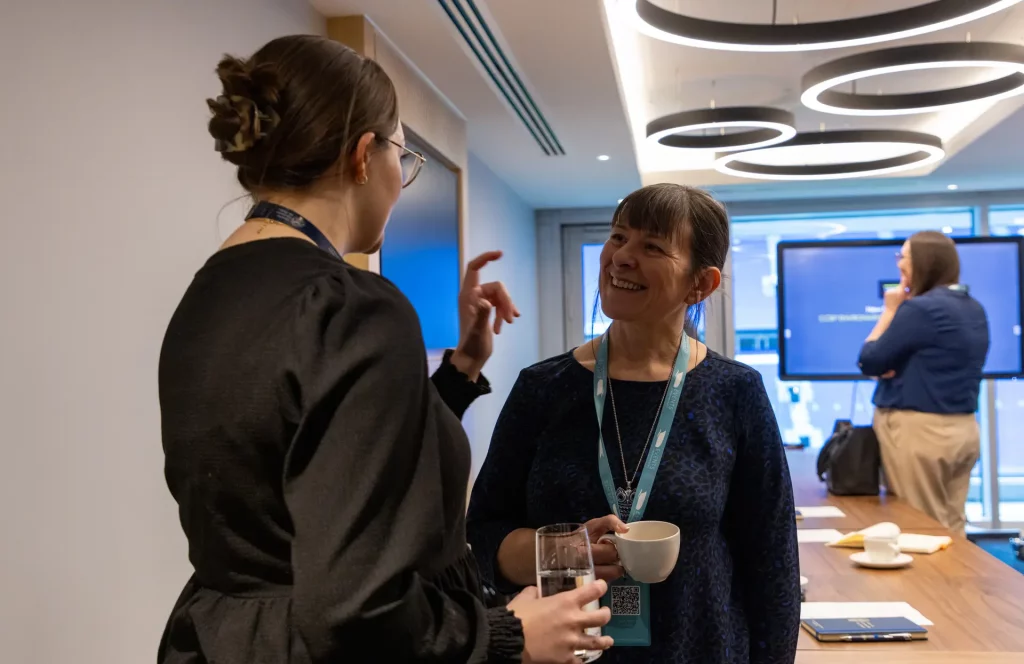
Decisions that affect carbon are made by many organisations, at every stage of a project. Feedback from every spectrum of the industry is vital as we continue our research into WLCA. We want to hear from public sector clients, contractors, architects, engineers, project managers, quantity surveyors, cost managers, specialist consultants and other delivery organisations.
So far, that has included 35 interviews and five focus groups across the UK. The research is led by Conor Neild-Crabb, Head of Centre at CCBP, and supported by our Industry and Academic Advisory Groups.
Whole-life carbon assessment is approached very differently across the UK
Initial evidence from local authorities, contractors and consultants points to a clear common thread. These are early findings; the research is ongoing and full findings will be published in 2027.
Emerging themes on whole-life carbon assessment
Some clear themes are beginning to emerge, which we’ll explore in depth as the research progresses:
- Timing: when in the project whole-life carbon assessment takes place
- Data: the consistency and quality of the data behind assessments
- Readiness: the industry’s capacity to deliver low-carbon projects at scale
- Practicality: what a more consistent approach would look like, and what would need to be in place

Share your experience
Help build the evidence base on whole-life carbon assessment. Full findings will be published in 2027.
Take the survey"While the organisations we have spoken to so far are diverse, from local authorities and major contractors to consultants and academics, there is a clear common thread in the feedback we are receiving. The way whole-life carbon assessment is being approached varies significantly, and those inconsistencies have knock-on effects for the supply chain, capital and operational expenditure, and ultimately the environment we live and work in."

Take part in the whole-life carbon assessment study
We want to hear from more people across the sector, including public sector clients, contractors, consultants, architects, engineers, planners, project managers and the wider supply chain.
Whether your organisation uses whole-life carbon assessment on every project, some projects or none, your view counts. The more varied the evidence, the better we can understand whether greater consistency would help WLCA influence spending decisions.
The survey takes around 5 minutes to complete.
Take part in the survey