CCBP calls for industry evidence as research highlights inconsistent use of whole-life carbon assessment

22nd Oct 2026

70% of respondents, including local authorities, major contractors and consultants, say current policy and regulation have had no, limited or variable influence on WLCA implementation.

The Centre for Construction Best Practice (CCBP) is calling on construction and wider built environment to contribute further evidence to research examining how whole-life carbon assessment (WLCA) is being used across public sector construction and infrastructure projects.

The call comes as initial research involving 35 interviews and five focus groups with local authorities, contractors and consultants found that 70% of respondents agreed current policy and regulation had no, limited or variable influence on the implementation of WLCA.

Take the survey

With the UK committed to reaching net zero by 2050 and major legislative and economic changes, such as carbon tariffs, PPN006, and energy efficiency standards, WLCA is becoming an increasingly important part of the conversation around how projects are designed, procured and delivered.

However, its use is not consistent across the country. Some local authorities and regions have introduced their own requirements or guidance, while approaches differ elsewhere.

That variation is reflected in CCBP’s research as 59% of respondents described the use of WLCA as selective, while 58% described current policy as fragmented, focused on certain locations and inconsistent between authorities.

The research project began in December 2025, following CCBP’s Environmental Sustainability Roundtable at Hill Dickinson Stadium. The discussion brought together industry practitioners, academics and sustainability specialists who identified whole-life carbon assessment as an area where the sector needed greater understanding of what is working in practice and where gaps remain.
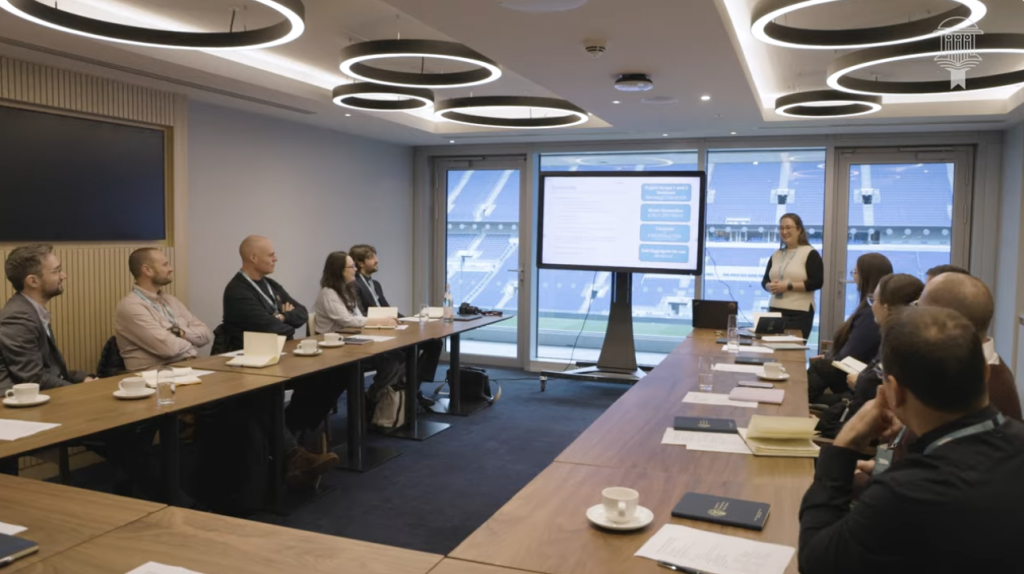
Since then, CCBP worked with diverse groups across the sector to explore the stage WLCA is introduced in the procurement process, whether the information produced is consistent enough to support decision-making, and the capacity of clients, consultants, contractors and supply chains to use it effectively.

Organisations that have contributed so far include: AHR, Arup, London Borough of Tower Hamlets, Birmingham City Council, Cardiff Council, Currie & Brown, Curtins, Glasgow City Council, Kier, Leeds City Council, Liverpool City Council, Manchester City Council, Morgan Sindall, Newcastle City Council, Neilcott Construction, Northumberland County Council, Overbury, Pick Everard, Seddon, Sheffield City Council, SPACE Architects, Stepnell, Vinci, Wates, West Yorkshire Combined Authority, Willmott Dixon and more.

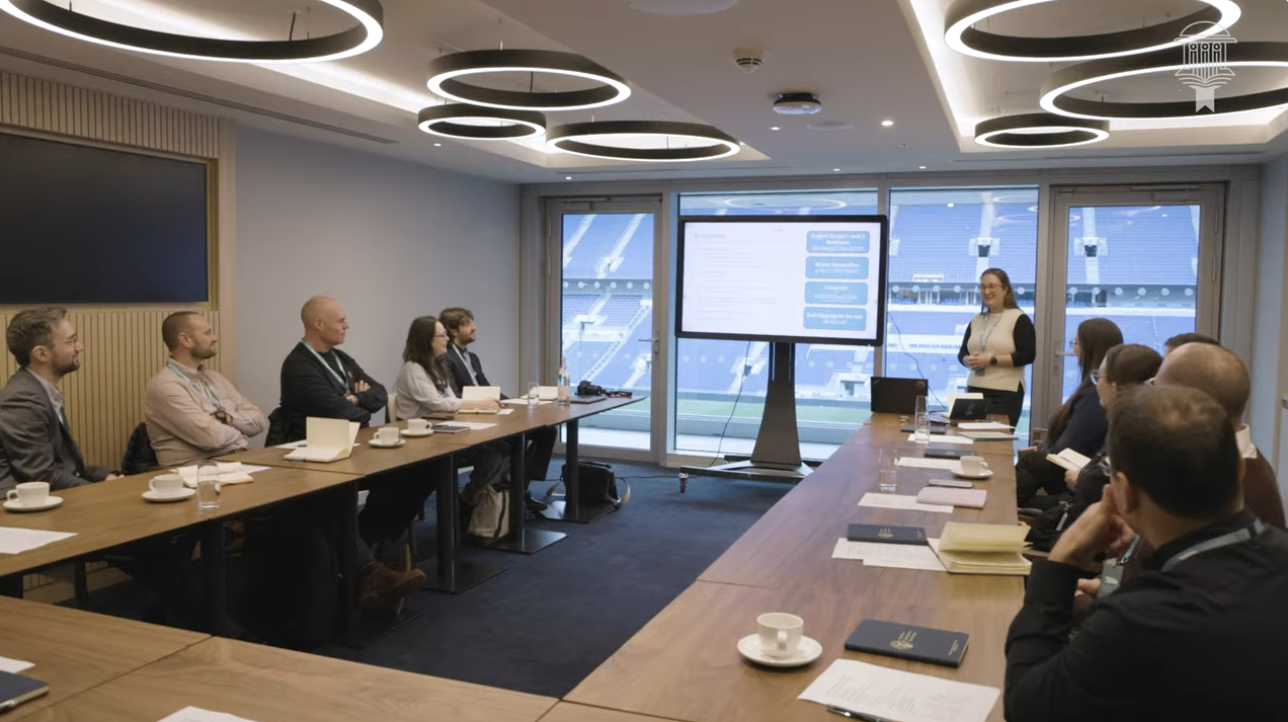
Conor Neild Crabb, Head of Centre at CCBP, said:

“While the organisations we have spoken to so far are diverse, from local authorities and major contractors to consultants and academics, there is a clear common thread in the feedback we are receiving. The way whole-life carbon assessment is being approached varies significantly, and those inconsistencies have knock-on effects for the supply chain, capital and operational expenditure, and ultimately the environment we live and work in.

“We now want to hear from more people across the sector, including contractors, consultants, engineers, planners, project managers, clients and the wider supply chain. The more varied the evidence we can gather, the better we can understand whether greater consistency in policy and practice could help WLCA have a greater influence on spending decisions.”

This is particularly relevant as industry guidance and policy continue to develop. In March 2026, the National Infrastructure and Service Transformation Authority published new Whole Life Carbon Management guidance for infrastructure and the built environment, while UKGBC has called for greater national consistency in whole-life carbon methodologies and clearer policy direction.

CCBP is now seeking further evidence from organisations working across public sector construction and infrastructure schemes, including clients, contractors, consultants, architects, planners, engineers and other built environment professionals. Conor Neild Crabb, Head of Centre at CCBP, is leading the research, supported by CCBP’s academic and industry advisory groups.

Michèle Young, Principal Development Coordinator at London Borough of Tower Hamlets, said:

“While requiring a whole-life carbon assessment (WLCA) enables local authorities and industry to engage more meaningfully in design discussions around carbon, its potential to support net zero ambitions is limited without a consistent national framework.

“The absence of a national requirement, such as Part Z, risks creating a fragmented approach across cities and regions, reducing the ability to compare outcomes and limiting the value of carbon data in informing investment and procurement decisions.”

Tom Roxburgh, Senior Sustainability Consultant at Pick Everard, added:

“Across our industry, differingWhole Life Carbon Assessment (WLCA) standards produce differing results. Yet we agree that, to reduce construction’s 40% contribution to the UK’s carbon footprint, we must first understand what makes up that 40%.

“WLCA helps us understand construction emissions, but varying planning requirements, methodologies and added reporting demands have created an already bloated assessment process. This makes it difficult for design teams and clients to identify the approach that will best support corporate, planning and end-user sustainability targets. One standard may cost more than another, without necessarily providing the insights client teams need to make reduction decisions. We have delivered carbon assessments across many processes and reporting requirements, and each differs enough to demand a new approach.

“When compliance is the key concern, asking project teams for additional expenditure without industry-agreed outputs is difficult. Our industry must unify its approach so we can identify how to lower our 40% carbon contribution. As with every good initiative, it starts with clear, consistent, comparable data.”

CCBP will continue to gather evidence before its full findings are published in 2027.

Organisations interested in contributing to the research can have their say and take the survey below.

Take the survey