Q&A
Scape – At what stage does early contractor engagement add the most value, in your opinion?
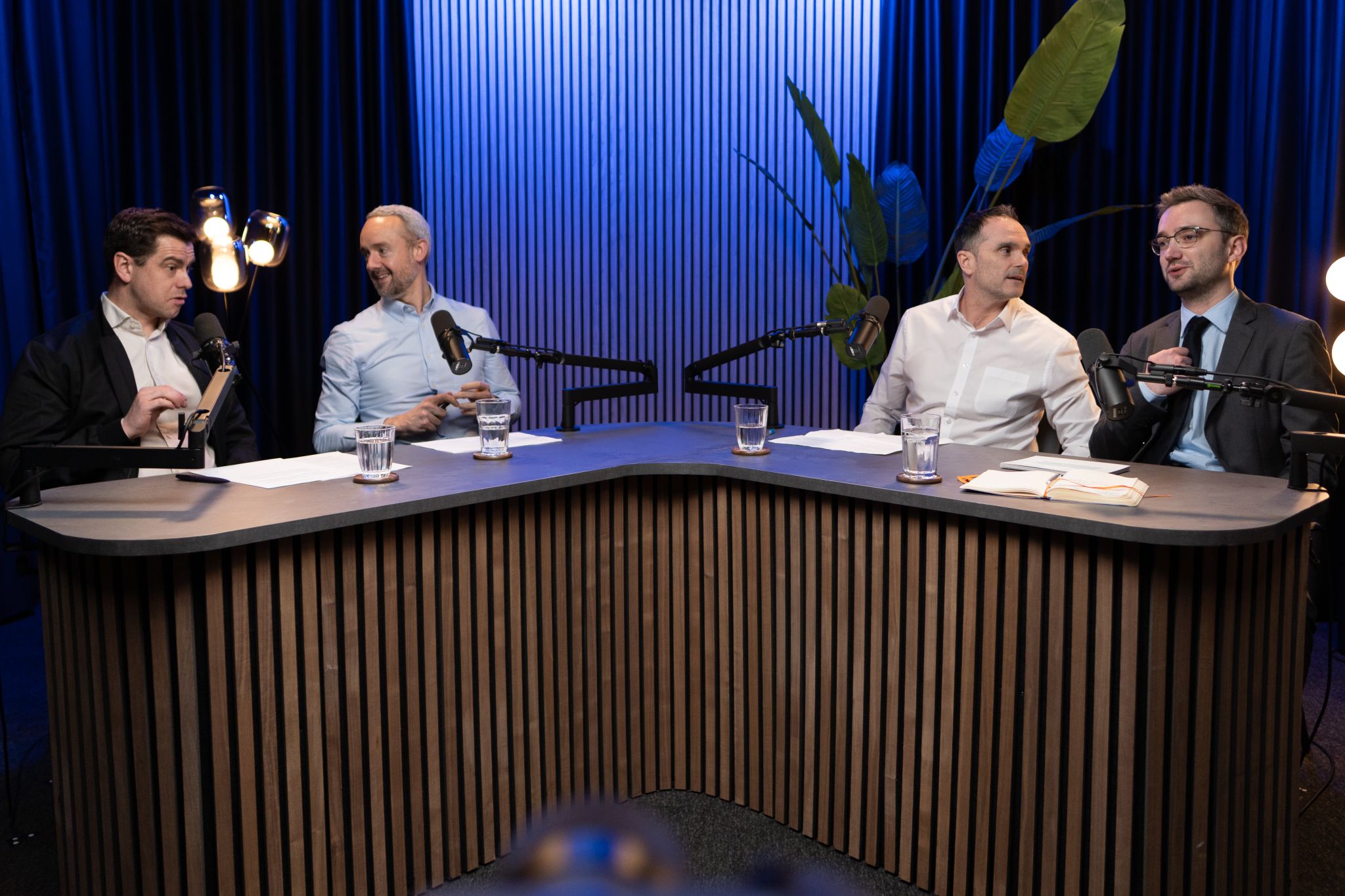
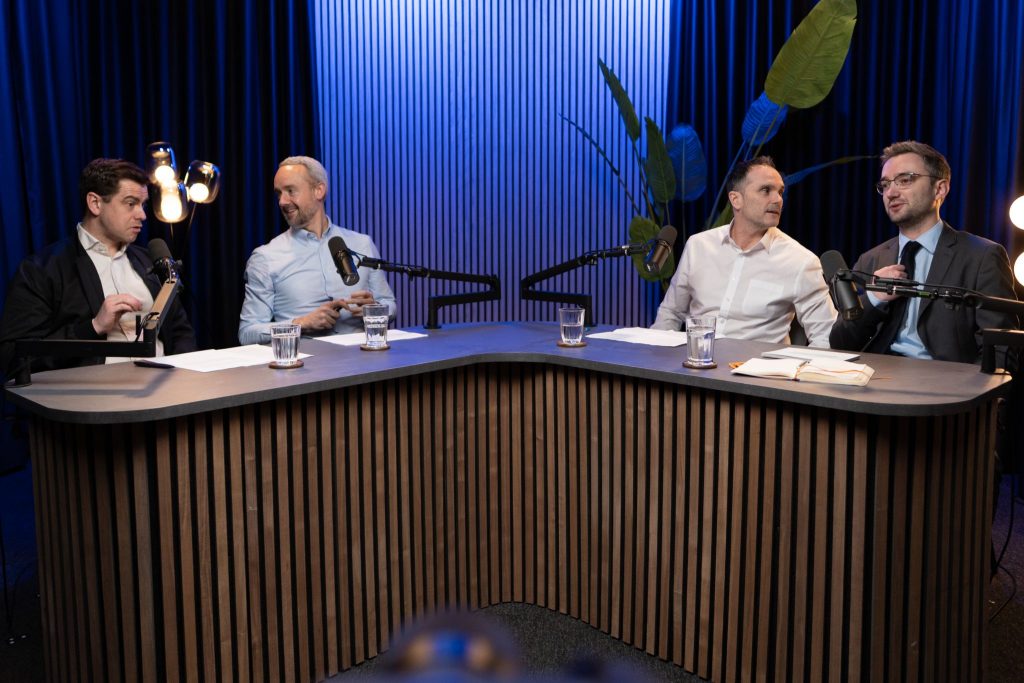
Responding to a question from Scape, Paul Roberts explained that there is no single answer in every case, but that timing becomes increasingly important as project complexity grows.
He outlined that “there are two main strategies for early contractor engagement. The first is involvement at the earliest possible point, when a project is just getting started. The second is the model used on Spindles, where the contractor came in at the end of RIBA 2 or the beginning of RIBA 3 to help take the design forward once the concept had been more clearly defined by the client.”
Paul noted that both approaches have strengths, but emphasised that “the more complex the project, the more you can benefit from the early engagement.” He also made clear that very early involvement only works when the contractor brings the right mindset. As he put it, “you’ve got to have the right approach”, warning that “if they bring a traditional construction mindset to a conversation at like RIBA 0 or RIBA 1, it’s never going to work.”
He stressed that early stages offer the greatest opportunity to shape a project successfully, saying “your biggest chance to influence the project is in those early days”. By contrast, once a scheme reaches RIBA 2 or 3, “you’ve probably lost 70 – 80% of the chance to influence the project.”
At the same time, he recognised the benefit of bringing a contractor in slightly later, once the brief and concept have been more fully developed. In those circumstances, the client can say, “We’ve got the bones of the project, can you help us put the meat on it?” which he said, “actually works really, really well.”
JGTD Ltd – Would you say that early involvement with the main contractor led to a partnership approach to achieving the best social value outcomes on the project?
Answering a question from JGTD Ltd, Chris Lewis said that early involvement unquestionably helped create a more collaborative and considered approach to social value.
He responded, “I say definitely”, linking this directly to the longer lead-in period created by the procurement approach. According to Chris, that extended timeframe enabled the team to have more meaningful conversations about what social value should look like in practice and how it could connect to wider local initiatives. He explained that the process allowed them to connect social value activity to “different initiatives across Oldham” and gave the team space to think more strategically.
Importantly, he said this helped communities see the scheme as something much broader than a construction project. In his words, “communities are seeing the value, we’re not just building, but actually investing in the communities.” He referenced both training opportunities, apprenticeships with jobs being created as part of that positive impact and described the wider ambition as “creating a better Oldham.”
He concluded that having Willmott Dixon involved in this way strengthened that partnership approach further, saying the contractor was “fully invested in it” and “came along with some different ideas about how they could approach it, so yeah, it worked out really well.”
Fulkers Bailey Russell – How do you maintain value for money through the early contractor involvement phase of the project?
Responding to Fulkers Bailey Russell, Chris Baker explained that value for money during the ECI phase is maintained by establishing a clear benchmark early and then improving from that position through collaboration and transparency.
He said they were setting a benchmark at the mini competition stage, at a point where there is already a design and a brief. At that stage, contractors are able to price the scheme and apply rates, and that then becomes the project benchmark.
From there, the role of the contractor is not simply to cut costs, but to improve the scheme intelligently. Chris explained that the objective is “to improve and drive the cost down, not from a value engineering perspective but engineering value into the project, making it more efficient and making it more cost-effective for the customer.” He concluded that through that approach, “ultimately we added more value than a traditional tendering approach.”
Paul Roberts then added further context, noting that this route does take longer at the outset, but delivers a far more reliable commercial picture. He said, “pricing a job this way takes longer as well,” explaining that while a traditional QS-led cost plan might take only a few weeks, a more robust market-tested approach can take “8-10-12 weeks”.
For Paul, the key difference lies in the strength of the evidence behind the numbers. He said, “the robustness you get behind that versus a desktop cost plan is completely different.” He also stressed the importance of commercial openness throughout the process, adding that “it only works with that level of visibility in that supply chain.”
He acknowledged that transparency can sometimes be a challenge but argued that it is essential if ECI is to withstand scrutiny, particularly given that value for money is often “one of the biggest criticisms or challenges that plays against earlier contractor engagement at times.”
Camden Council – ECI is often justified on cost grounds. What needs to be in place to ensure it enhances design and placemaking rather than defaulting to value engineering?
In response to a question from Camden Council, Paul Roberts said the answer lies less in process alone and more in the people, behaviours and culture brought into the project team.
He said, “for me, it’s about people, it’s about behaviours, it’s about willingness to understand the client drivers for a project.” He stressed that the contractor must understand that “it’s not your project, it’s the client’s,” and that success depends on recognising what the client is actually trying to achieve through the scheme.
Paul warned against bringing a conventional mindset into an ECI environment. He described that traditional approach as one where “we’re going to competitively bid this, and then we’re going to try to either make as much money as we can or tighten some specifications up so that we can get some more value out of this project.” Instead, he said the contractor needs to bring “a mindset which is open, constructive, willing to work with the whole design team in a really positive way.”
Chris Lewis added that the time invested early in the programme helps create exactly that environment. He said, “that investment at the beginning probably sets the right culture and tone for the rest of the relationship” and that this early stage “creates that right culture, it creates a level of trust, it creates an element of innovation.”
For Chris, that initial investment pays off as delivery progresses, because “the speed of delivery and the consistency of delivery then fall on from that as well”. He concluded that “it is an investment of time at the beginning batches well in terms of the next phase as you move through the programme.”
Has the success of the Spindles project and the wider regeneration programme influenced Oldham Council’s future delivery approach?
Answering a broader audience question on the longer-term impact of the project, Chris Lewis said the success of Spindles is already influencing thinking beyond the individual scheme itself.
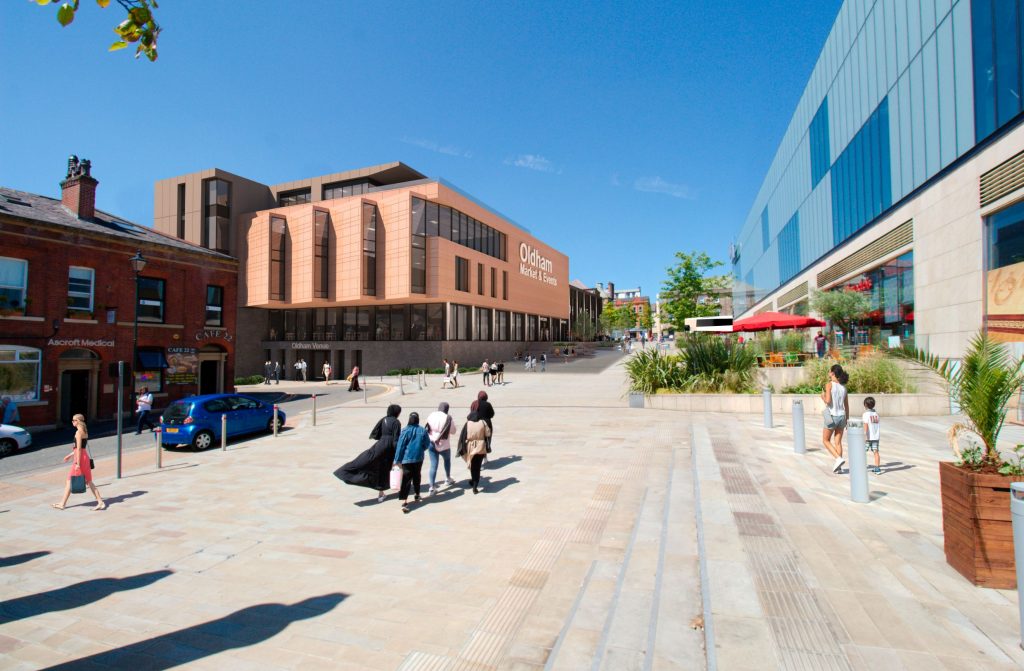
He explained, “what we find is that it’s actually going to change much broader than that”, suggesting that the lessons from Spindles are shaping a wider approach rather than remaining isolated to one project. He described Spindles as “a case study moving forward in terms of its uniqueness, but also the approach that we’ve taken as well.”
Chris noted that the project has attracted strong interest from outside Oldham, not only from the public sector but also from private developers. He said, “we’ve had private sector developers come to see how we’ve done it and how we’ve engaged and how we reshaped the Spindles shopping centre”, as well as interest in “the wider regeneration about how different initiatives complement one another in the programme.”
He added that the impact may extend beyond Oldham itself, saying, “I think it’s actually also touching on the private sector as well in terms of the approach that has been extremely successful on a whole host of different fronts really” and that “it’s definitely something that Oldham Council will take on board moving forward.”
Conor then followed up by asking how wide that interest had spread. Chris Lewis responded that it had come from well beyond Greater Manchester, saying, “much further, from down South to the Midlands, you know, across the country really.”
He also noted that this had happened even though “we haven’t been actively publicly promoting the Spindles scheme as such” suggesting that the project’s “innovative approach” and successful delivery had generated momentum in their own right.
Actua Surveyors – Are there any key governance requirements that are utilised to demonstrate transparency and value for money for clients during early contractor involvement?
Responding to a question from Actua Chartered Surveyors, Chris Baker returned to the importance of competition, recommendation and client oversight in demonstrating transparency during ECI.
He explained that “that concept of the competition that we apply across the majority of our projects, certainly when we’re involved early”, is central to how value for money is evidenced. He said the team remains “mindful that we have to demonstrate value for money to the customer” and that this is supported through a clear process of review and recommendation.
As Chris put it, “we always submit a recommendation.” Rather than making unilateral decisions, the process is presented back to the client so that it can be assessed properly, with the opportunity to “endorse or improve” the recommendation.
This, he suggested, is an important part of ensuring that ECI is not only collaborative in practice, but also transparent and accountable from a governance perspective.