
Operational Carbon
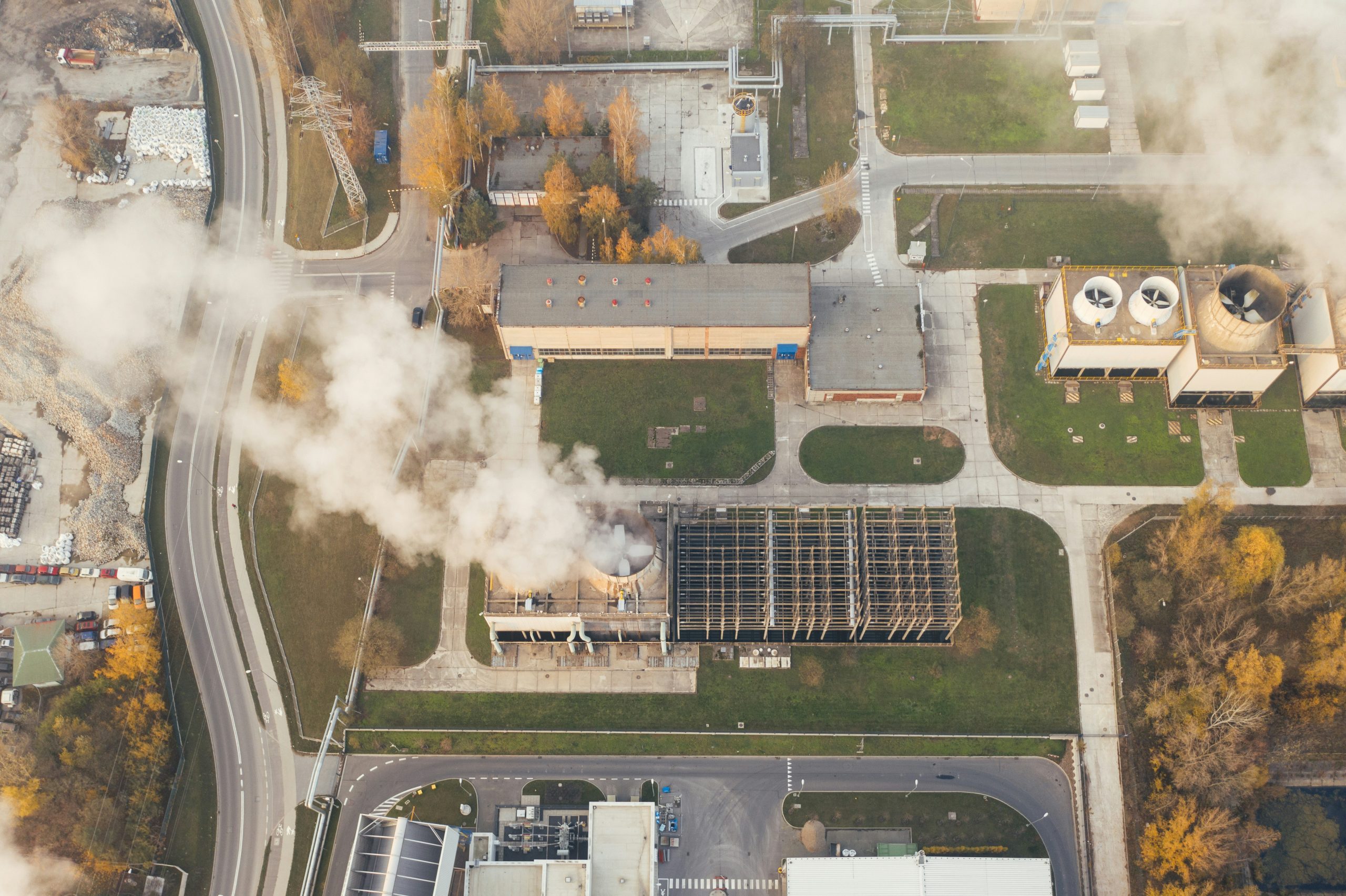
What is Operational Carbon? The amount of carbon (CO2e) produced to operate a building
University of Liverpool’s Faculty of Humanities & Social Sciences measure the energy required to operate the building and then calculate the operational CO2e. They take the following steps to reduce it: (1) consider generating that energy on site through the use of renewables (2) purchase Renewable Energy Guarantee of Origin (REGO) energy and/or (3) carbon offset through an approved offsetting scheme.
Case Studies
Knowsley Safari Park
Tom Johnson (PhD student) has develop a full NZC plan for the safari including a full energy, carbon and financial review of the impacts and options. Read the journal paper assessing the carbon impact of the safari. Tom’s research looks into the impact of operational carbon emissions in the business sector, and the growing field of net zero carbon (NZC) strategies. His research takes a holistic approach to carbon reduction, encompassing the metrics of energy, carbon, and cost to provide a more realistic approach to carbon abatement and mitigation. In particular, Tom’s research focuses on the theory behind how to adapt to a rapidly changing low-carbon world and incorporates climate science, climate policy, strategic management, operational energy use, carbon accounting and reporting, energy conservation measures, and green financing methods.
SIPs construction
Bushra Al-Ali (PhD student) is testing the whole life impact of a new type of gas free, 100% electric, Structurally Insulated Panel System (SIPs) home buildt o Passivhaus standards with exceptional levels of air tightness. Simulating alternative renewable energy options (Such as Solar PV with battery storage) using DesignBuilder software. Full details of this project will be published soon including a full 18 months Post Occupancy Evaluation (POE) study, showing the real world energy
2029 Building Design Trends of the Future
GlenDimplex
The University of Liverpool was recently appointed by GlenDimplex to develop a 2029 vision for sustainable homes of the future. Considering the impact of moving to 100% electric MMC homes. Dr Finegan predicted 5 key trends for the future (1) Net Zero Carbon (NZC) will become more popular (2) Modular build will increase significantly (3) renewables will become cmmon place (4) technology and the Internet of Things (IoT) will increase exponentially and (5) the embodied carbon impact of all products will need to be considered. Download the ebook on this link.
National Museums Liverpool (NML)
The ZCRI is working in partnership with National Museums Liverpool (NML) who own and operate the International Slavery Museum, the Merseyside Maritime Museum, The Lady Lever Art Gallery, The Walker Art Gallery, Sudley House, the World Museum and the Museum of Liverpool. NML attract over 3 million visitors per year and in 2019 they declared a climate and ecological emergency with real ambition to reduce their impact as best they can. Dr Finnegan has been working with the directors and management team at NML to help achieve that aim and the first step has been to more accurately take account of their current cost, energy and carbon profile. This first stage is now nearing completion and NML have a much clearer view of these indicators for each of their assets. The next stage in their plan is for them to consider how best to reduce energy use, save money and carbon through the creation of an action plan. The Universities work in assisting NML has been crucial and is the start of a longer term relationship in this areas with the University of Liverpool.
Source Note:
This article has been adapted from research conducted by the University of Liverpool. You can explore the University of Liverpool’s Faculty of Humanities & Social Sciences zero carbon research in more detail by clicking here.
Read More